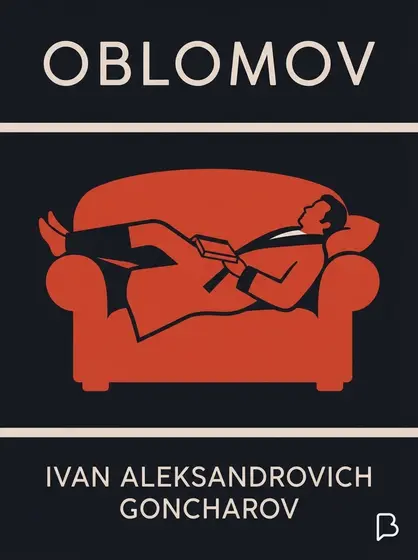
«أبلوموف»: بداية الكتاب بالإنجليزية مع الترجمة العربية
Oblomov
الصفحات الأولى من «أبلوموف» (إيفان ألكسندروفيتش غونتشاروف): النص الإنجليزي والترجمة العربية تحت كل فقرة، نحو 440 كلمة، أي ما يعادل صفحة أو صفحتين في القارئ. اقرأ بالإنجليزية وانظر في الترجمة حيث تحتاج إليها. وبعد ذلك يُفتح الكتاب في القارئ مجانًا، مع القراءة الصوتية والقاموس.
أبلوموف · كتب إنجليزية للمستوى B2 (فوق المتوسط) · روايات بالإنجليزية مع الترجمة العربية
One morning, in a flat in one of the great buildings in Gorokliovaia Street, * the population of which was sufficient to constitute that of a provincial town, there was lying in bed a gentleman named Ilya Ilyitch Oblomov. He was a fellow of a little over thirty, of medium height, and of pleasant exterior. Unfortunately, in his dark-grey eyes there was an absence of any definite idea, and in his other features a total lack of concentration. Suddenly a thought would wander across his face with the freedom of a bird, flutter for a moment in his eyes, settle on his half-opened lips, and remain momentarily lurking in the lines of his forehead. Then it would disappear, and once more his face would glow with a radiant insouciance which extended even to his attitude and the folds of his night-robe. At other times his glance would darken as with weariness or ennui. Yet neither the one nor the other expression could altogether banish from his countenance that gentleness which was the ruling, the fundamental, characteristic, not only of his features, but also of the spirit which lay beneath them. That spirit shone in his eyes, in his smile, and in his every movement of hand and head. On glancing casually at Oblomov a cold, a superficially observant person would have said, “Evidently he is good-natured, but a simpleton;” whereas a person of greater penetration and sympathy than the first would have prolonged his glance, and then gone on his way thoughtfully, and with a smile as though he were pleased with something.
في صباح أحد الأيام، في شقة بإحدى البنايات العظيمة في شارع غوروخوفايا، الذي كان عدد سكانه كافيا لتكوين سكان بلدة من بلدات الأقاليم، كان يرقد في سريره رجل يدعى إيليا إيليتش أوبلوموف. كان رجلا تجاوز الثلاثين بقليل، متوسط القامة، حسن المظهر. لسوء الحظ، لم يكن في عينيه الرماديتين الداكنتين أي فكرة محددة، ولم يكن في ملامحه الأخرى أي تركيز. فجأة كانت تمر فكرة على وجهه بحرية طائر، ترفرف لحظة في عينيه، تحط على شفتيه المفتوحتين نصف انفتاح، وتبقى لحظة كامنة في خطوط جبهته. ثم تختفي، ويعود وجهه فيتوهج بلا مبالاة مشرقة تمتد حتى إلى هيئته وطيات ثوب نومه. وفي أحيان أخرى كان نظره يعتم كأنه من تعب أو ضجر. ومع ذلك، لم يكن أي من التعبيرين قادرا على أن يطرد تماما من ملامحه ذلك اللطف الذي كان السمة الغالبة الأساسية، لا في ملامحه فحسب، بل أيضا في الروح التي تحتها. تلك الروح كانت تلمع في عينيه، وفي ابتسامته، وفي كل حركة من حركات يده ورأسه. ولو ألقى عليه شخص بارد، سطحي الملاحظة، نظرة عابرة، لقال: من الواضح أنه طيب القلب لكنه أبله. أما شخص أعمق نفاذا وأكثر تعاطفا من الأول، فكان يطيل النظر إليه، ثم يمضي في طريقه مفكرا، وبابتسامة كأنه راض عن شيء ما.
Oblomov’s face was neither reddy nor dull nor pale, but of an indefinite hue. At all events, that was the impression which it gave—possibly because, through insufficiency of exercise, or through want of fresh air, or through a lack of both, he was wrinkled beyond his years. In general, to judge from the extreme whiteness of his bare neck, his small, puffy hands, and his soft shoulders, one would conclude that he possessed an effeminate body. Even when excited, his actions were governed by an unvarying gentleness, added to a lassitude that was not devoid of a certain peculiar grace. On the other hand, should depression of spirits show itself in his face, His glance would grow dull, and his brow furrowed, as doubt, despondency, and apprehension fell to contending with one another. Yet this crisis of emotion seldom crystallized into the form of a definite idea—still less into that of a fixed resolve. Almost always such emotion evaporated in a sigh, and shaded off into a sort of apathetic lethargy.
لم يكن وجه أوبلوموف محمرا ولا باهتا ولا شاحبا، بل بلون غير محدد. على الأقل هذا هو الانطباع الذي كان يعطيه، ربما لأنه، بسبب قلة الحركة، أو بسبب نقص الهواء النقي، أو بسبب الاثنين معا، كان متجعدا قبل أوانه. وبشكل عام، لو حكم المرء من البياض الشديد لرقبته العارية، ويديه الصغيرتين المنتفختين، وكتفيه الناعمين، لاستنتج أنه يمتلك جسدا أنثويا. وحتى عندما كان منفعلا، كانت أفعاله يحكمها لطف ثابت، يضاف إليه فتور لا يخلو من جاذبية غريبة. وفي المقابل، إذا ظهر على وجهه انقباض نفسي، كان نظره يبهت، وجبينه يتجعد، إذ يأخذ الشك واليأس والخوف في التصارع. ومع ذلك، نادرا ما كان هذا التصادم العاطفي يتبلور في شكل فكرة محددة، بل أقل من ذلك في شكل قرار ثابت. كان هذا الانفعال في الغالب يتلاشى في تنهيدة، ويتحول إلى نوع من الخمول اللامبالي.
تابع القراءة مجانًاترجمة لكل جملة، وصوت طبيعي، وقاموس بلمسة واحدة